Investor insight
LVR explained for mortgage investors: why 80% is our ceiling
Loan-to-value ratio is the single most important number in a secured loan. It tells you how far a property's value can fall before your capital is touched. Here is how it works, and why we stop at 80%.

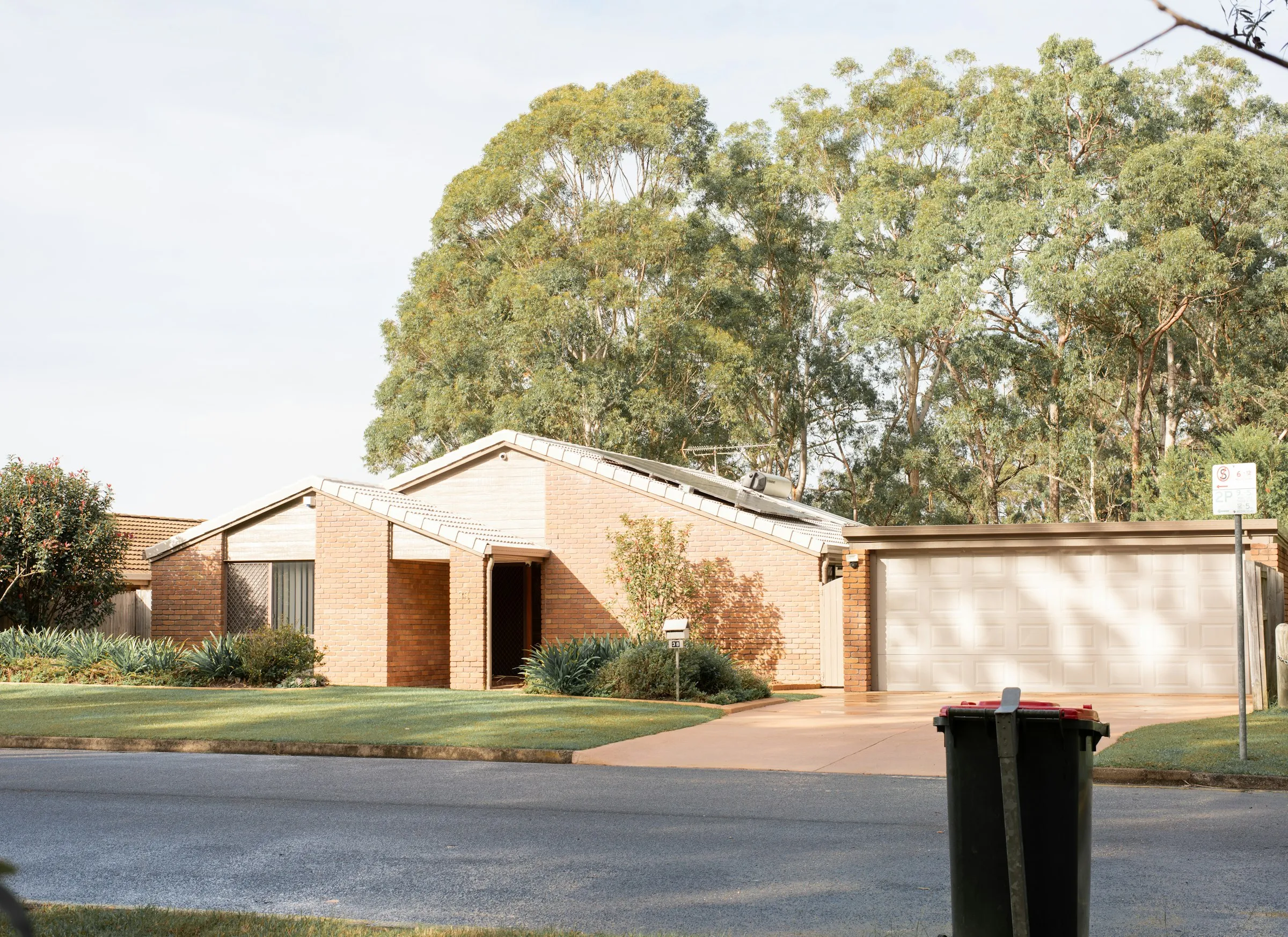
LVR, or loan-to-value ratio, is the loan divided by the value of the property securing it. For a mortgage investor, it shows how far the property’s value could fall before your capital is at risk. HomeSec caps LVR at 80% on residential property, counting all debt ranking ahead, and lower on commercial, leaving at least a 20% equity buffer.
HomeSec Business Finance, an Australian private lender founded in 2004, applies that ceiling to every loan it offers to co-funders, with its own money in the same loan. This insight explains how LVR works from a lender’s point of view, what the buffer has to absorb, and how 80% compares with the deepest falls Australian property has seen.
What is LVR?
LVR is a simple ratio: the loan amount divided by the property’s value, shown as a percentage.
| Property value | Loan | LVR | Equity buffer |
|---|---|---|---|
| $1,000,000 | $600,000 | 60% | $400,000 (40%) |
| $1,000,000 | $700,000 | 70% | $300,000 (30%) |
| $1,000,000 | $800,000 | 80% | $200,000 (20%) |
| $1,000,000 | $900,000 | 90% | $100,000 (10%) |
Two details matter. First, the value should come from an independent valuation of the property as it stands today. Second, the loan figure should include every dollar of debt that ranks ahead of yours. For a second mortgage, that means the first mortgage plus the second, known as the total LVR. HomeSec’s 80% ceiling is always measured on total debt.
What is an equity buffer, and what does it have to absorb?
An equity buffer is the gap between the property’s value and all the debt secured on it. At an 80% LVR the buffer is 20% of the value.
Most loans never need the buffer. They are repaid from the borrower’s planned exit. The buffer matters only if a loan goes into default and the property has to be sold. At that point it has to absorb three things, not one:
- Any fall in value between the valuation and the sale.
- Selling and enforcement costs, such as agent’s commission, marketing and legal fees.
- Interest that accrues while the default is resolved and the sale completes.
Investors often think of the buffer only as protection against price falls. In practice, costs and interest can use up a meaningful share of it. That is the main reason a sensible ceiling sits well above the worst historical fall, not just above it. The steps of a sale are set out in what happens if a borrower defaults.
Why is 80% the ceiling?
Here is a stress test using round numbers. It is an illustration, not a specific loan. A residential property is valued at $1,000,000 with a loan of $800,000, the maximum 80% LVR. The borrower defaults, and the sale takes six months.
| What uses up the buffer | Amount (illustrative) |
|---|---|
| Starting equity buffer | $200,000 |
| Fall in value equal to the deepest national fall, about 8.4% | −$84,000 |
| Selling and enforcement costs, about 3% of value | −$30,000 |
| Six months of interest at 12% p.a. on $800,000 | −$48,000 |
| Buffer remaining | $38,000 |
Even with a record national fall, costs and half a year of interest, the lender is repaid in full with room to spare. Some measures put the 2017–19 fall closer to 10%; even on that deeper figure, the buffer is not exhausted.
Run the same scenario at a 90% LVR and the lender would be about $68,000 short. Even at 85%, it would fall slightly short. At 80%, the buffer absorbs a severe but historically grounded scenario. That is the logic behind the ceiling.
How does 80% compare with Australia’s deepest property falls?
Australian national home values have had several downturns in recent decades, and all have been far shallower than a 20% buffer.
| Downturn | Approximate national fall |
|---|---|
| 2017–19 | about −8.4% |
| GFC, 2008 | about −7.6% over 13 months |
| 2022–23 | about −7.5%, recovered by November 2023 |
| Early 1990s | about −6.2% |
| COVID, 2020 | about −1% |
National averages hide local variation, so an honest lender does not rely on them alone. As at September 2026, Cotality reports national values 3.6% below their March 2026 peak, with Sydney 7.1% and Melbourne 6.8% below their peaks. A single property can fall further than its city, especially if it is unusual. That is why HomeSec avoids unusual properties and anything that would take a long time to sell. Our history of Australian property downturns looks at the record in more detail.
Why are commercial LVRs lower?
HomeSec lends at lower LVRs on commercial property than on residential property. The reasons are practical.
- Fewer buyers. A suburban home appeals to thousands of owner-occupiers and investors. A warehouse or shopfront appeals to a narrower group.
- Value depends on income. Commercial property is often valued on its rent. If a tenant leaves, the value can drop quickly.
- Longer to sell. Commercial campaigns tend to run longer, so more interest accrues during a default.
Each of these eats into the buffer, so the buffer has to start larger. The LVR on each commercial loan is set loan by loan.
How is this different from development lending’s “LVR on completion”?
Development loans are often measured differently. Instead of today’s value, the loan is compared with the forecast value of the project once it is built, sometimes called gross realisation value, or with the total cost of the project. A 2026 industry guide puts typical caps at around 60–65% of gross realisation value for major banks and around 70% for non-bank lenders.
Those percentages look more conservative than 80%. They are not directly comparable. The denominator is a forecast of a building that does not yet exist, and the security during construction is land and part-finished works that may be worth far less than the loan if the builder or developer fails. Sales, costs and timing all have to go to plan.
That risk is not theoretical. When Sydney developer Bathla Group entered voluntary administration in August 2026, several private credit funds were exposed through development loans. HomeSec does not make development or construction loans. Its LVR is measured against the current value of an existing property. Our piece on the Bathla collapse covers the difference in more depth.
| HomeSec residential LVR | Development “LVR on completion” | |
|---|---|---|
| Value used | Independent valuation of the existing property today | Forecast value once built |
| Security during the loan | A finished, saleable property | Land and part-finished works |
| Depends on construction going to plan | No | Yes |
| Typical ceiling | 80% residential; lower on commercial | Often 60–70% of forecast value |
Does the LVR stay the same during the loan?
Not exactly. The LVR in a pack is a snapshot, measured on the valuation at the start. Two things can move it while the loan runs.
The value can change. Markets move, and a property valued at $1,000,000 today may be worth a little more or a little less in six months. That is one reason short terms help: the shorter the loan, the less time there is for the value to drift away from the valuation.
The debt can grow. If interest is added to the loan rather than paid, or if a loan falls into arrears, the amount owed rises and the LVR rises with it. In a default, interest and costs keep accruing until the property is sold.
This is why the ceiling needs to sit comfortably above the starting position of any stress test, not right at its edge. A loan that begins at 80% has room to absorb a moving value and a growing balance. A loan that begins at 90% has very little.
What should you ask about the LVR on any loan?
A good pack answers these questions without prompting:
- Who valued the property, when, and on what basis? Look for an independent valuer, a recent date and a current “as is” value.
- Is all prior-ranking debt counted? For a second mortgage, the first mortgage must be included.
- What kind of property is it? A standard home in an established suburb sells more readily than a specialised asset.
- How long is the term? Shorter terms leave less time for values to move and interest to build.
- What is the exit? A buffer protects capital in a default; a credible exit is what avoids the default.
Is a lower LVR always better?
A lower LVR means a bigger buffer, and it usually comes with a lower rate, because the risk is lower. But LVR is one measure, not the whole assessment. A 60% loan against a hard-to-sell property with no clear exit can be riskier than a 75% loan against a standard home with a signed sale contract behind it.
For HomeSec, 80% is a ceiling, and every loan is assessed against HomeSec’s 50-point due diligence checklist. The full rules are on our lending rules page.
Want to see how LVR is set out on a real loan?
Every loan pack covers the loan, the property and the borrower, the rate and the risks. If you’d like to see one, register your interest and our Funding Manager will be in touch.
Frequently asked questions
What is LVR in a mortgage investment?
LVR, or loan-to-value ratio, is the amount lent divided by the value of the property securing it. A $700,000 loan against a $1,000,000 property is a 70% LVR. For an investor, it shows how much of the property's value stands behind the loan, and how far the value could fall before capital was at risk.
What is a safe LVR for private lending?
No LVR removes risk, but a lower LVR leaves a bigger buffer. HomeSec's ceiling is 80% on residential property, counting all debt that ranks ahead, and lower on commercial property. That buffer must cover any fall in value plus sale costs and interest during a default, so lenders set the ceiling well above the deepest historical falls.
What is an equity buffer?
An equity buffer is the difference between the property's value and all the debt secured on it. At an 80% LVR the buffer is 20% of the value. If the property had to be sold, falls in value, sale costs and accrued interest would use up the buffer before the lender's capital was touched.
Why are commercial property LVRs lower?
Commercial property usually has a smaller pool of buyers, its value depends heavily on the lease and the tenant, and it can take longer to sell. Values can move sharply if a tenant leaves. Lenders compensate with a larger equity buffer, which is why HomeSec applies lower LVRs to commercial property than to residential.
What is LVR on completion?
LVR on completion is a development-lending measure that divides the loan by the forecast value of a project once it is built, sometimes called gross realisation value. Because the finished building does not exist yet, the ratio relies on a forecast and on construction going to plan. HomeSec does not make development or construction loans.
Sources
- ABC News — How coronavirus compares to other property market shocks
- Property Update — CoreLogic national home value index reaches a new record high in November (2023)
- Cotality Home Value Index, September 2026
- Feasly — LVR in property development: valuation bases and caps (Aug 2026)
- Financial Standard — Bathla collapse rattles private credit (Aug 2026)
Figures are as at 26 September 2026 unless stated. This page is reviewed by Jason Brockmuller, Joint CEO of HomeSec Business Finance, and updated as markets change.