Risks and protections
The risks of investing in private mortgages, and how each one is managed
Every investment that pays more than a bank deposit carries risk. The useful question is which risks you are taking, how large they are, and what stands between them and your capital.

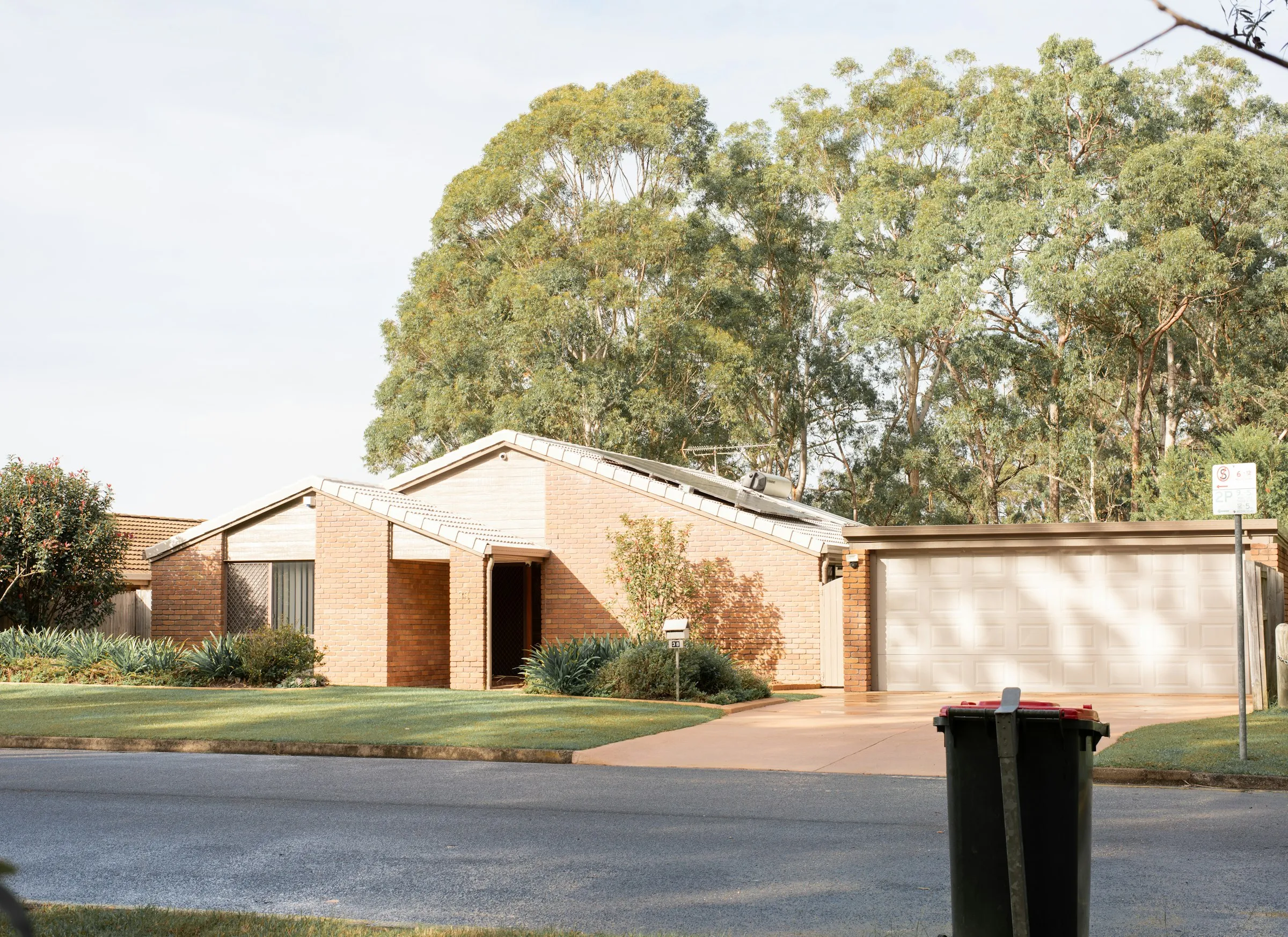
The main risks of investing in private mortgages are borrower default, delays in selling a property, falls in property value, legal time and cost, and concentration. HomeSec manages them with a maximum 80% LVR, no construction or development loans, 1 to 12 month terms, registered security in your name and its own money in every loan.
HomeSec Business Finance, an Australian private lender founded in 2004, has lent its own money through every market since, including the GFC. This page sets out the risks plainly, then the protections. Each loan’s specific risks are also set out in its pack.
Is private credit safe?
Private credit is not a single thing, so there is no single answer. It includes everything from large pooled funds lending to property developers, to short term loans secured by a registered mortgage over a suburban home. The risks differ enormously.
What every form shares is that it is not a bank deposit. Private credit and mortgage investments are not covered by the government’s Financial Claims Scheme.
In August 2026, ASIC warned of the first significant cracks in Australian private credit, as several funds restricted redemptions and a major developer collapsed. Those problems came from specific structures: development lending, pooled funds promising liquidity they could not deliver, and opaque management. The better question is not “is private credit safe?” but “what is this particular investment secured by, and who has their money in it?” We look at this in more depth in is private credit safe.
What are the real risks?
Here is what can go wrong when you lend against property, stated plainly.
Borrower default
A borrower may not repay on the maturity date, or may stop meeting the loan’s terms. Business plans slip, sales take longer and refinances fall through. Default is the risk every other protection is designed to absorb.
The strongest early defence is the exit. Before a loan is offered, HomeSec looks hard at how the borrower will repay within the term, whether from a sale, a refinance or business proceeds, and the pack sets that exit out so you can judge it yourself. A credible exit does not remove default risk, but a vague one is a reason to pass.
Delays in selling the property
If a loan has to be enforced, the property must be sold. That takes time: taking possession, preparing the property, marketing and settlement. A loan with a 6-month term can take considerably longer to resolve if it goes into default.
Property values fall
If values fall between the loan being made and the property being sold, the equity buffer shrinks. Australian property values are softening in 2026: Cotality’s August index showed national values 3.6% below their March 2026 peak, with Sydney 7.1% below its February peak.
Legal time and cost
Enforcing a mortgage involves lawyers, notices and sometimes court. Costs and accruing interest use up part of the equity buffer, and the process takes time.
Concentration
If you fund only one or two loans, the outcome of those loans is your outcome. A pooled fund spreads you across many loans automatically; with direct investment you build that spread yourself.
Timing of your capital
Your money is committed for the loan’s term. You can ask HomeSec to buy out your share early, but you should plan your cash flow around the terms of the loans you choose.
What protections are built into every loan?
| Risk | Protection |
|---|---|
| Borrower default | 50-point due diligence checklist; both joint CEOs involved in every loan decision; General Manager signs off every credit decision |
| Property value falls | Maximum 80% LVR on residential property, lower on commercial, leaving an equity buffer |
| Slow sale | No unusual properties or anything that would take a long time to sell; knowledge of property markets right across Australia |
| Construction and development risk | No development loans and no construction loans |
| Long lock-ups | Short terms of 1 to 12 months |
| Weak security | Registered first and second mortgages over Australian real estate, with you named for your exact contribution |
| Legal cost of enforcement | HomeSec meets the legal costs of recovery on defaulted loans |
| Misaligned manager | HomeSec co-invests its own money in every loan and earns mostly when loans are repaid |
| Diverted funds | Principal and interest are paid directly to your own bank account |
These rules are set out in full on our lending rules page.
What happens if the borrower defaults?
HomeSec manages the process from start to finish. You do not need to chase the borrower, instruct lawyers or deal with the property.
First, HomeSec works with the borrower. The first aim is for the borrower to complete the sale, refinance or business event they were relying on, even if later than planned.
If that does not happen, the loan is enforced. Loans are enforceable through the courts in every state, and HomeSec has specialist mortgage and property lawyers across Australia. As mortgagees, the lenders can take possession of the property and sell it. HomeSec meets the legal costs of recovery on defaulted loans, which protects your share of the proceeds from being eroded by legal bills.
The sale proceeds are applied in order: costs of sale, then the lenders according to the ranking of their mortgages, with any surplus returned to the owner. With a maximum 80% LVR, there is a buffer of at least 20% of the property’s value before capital is at risk.
Enforcement can take months. It is not quick, and we would not describe it that way. But it is well-trodden legal ground. Our guide on what happens if a borrower defaults walks through each stage.
What is a mortgagee in possession?
A mortgagee in possession is a lender that has taken control of a mortgaged property after the borrower defaulted, usually in order to sell it and repay the debt. The right comes from the registered mortgage and the property law of each state.
Taking possession is a serious step, and the law places duties on a mortgagee about how the property is sold. That is why experienced lawyers and agents matter. Being named on the registered mortgage means you are one of the mortgagees, not a unitholder waiting for someone else to act.
How big is the equity buffer compared with past property falls?
On a residential loan at the maximum 80% LVR, the property would need to lose more than 20% of its value, less sale costs and accrued interest, before the loan was fully exposed. Here is how that compares with the largest national falls in recent decades.
| Period | National fall in home values |
|---|---|
| Early 1990s | about 6.2% |
| GFC (2008–09) | about 7.6% over 13 months |
| 2017–19 | about 8.4% |
| 2020 (COVID) | about 1% |
| 2022–23 | about 7.5%, back to a record high by November 2023 |
Sources: ABC News and Property Update, citing CoreLogic (now Cotality).
A 20% or larger buffer is well beyond the deepest national fall on record. Two honest caveats: individual suburbs and properties can fall further than the national index, and costs and interest also draw on the buffer. That is why HomeSec avoids unusual properties, applies lower LVRs to commercial property and keeps terms short. For the current picture, see our Australian property market page.
Why does HomeSec avoid construction and development loans?
Because that is where much of private credit’s trouble has come from. When Sydney developer Bathla Group entered voluntary administration in August 2026, its parent group had about $3.2 billion in liabilities, mostly to private credit, concentrated in construction, land and unsold-stock loans.
Construction security is an unfinished building. Its value depends on the project being completed, on budget, into a market that still wants it. HomeSec lends only on straightforward business loans secured by existing real estate that can be valued and sold.
Why does HomeSec’s own money in each loan matter?
It is the simplest test of a lender’s confidence. HomeSec co-invests in every loan it offers, on the same security and terms as you, often 50/50. It earns mostly when loans are repaid. If a loan goes wrong, HomeSec loses too.
HomeSec is also a founding member of the Australian Short Term Lenders Association (ASTLA), formed in 2010 as a self-regulating body for short term lenders.
Which risks does direct investment remove?
Some of the biggest losses in Australian private credit had nothing to do with a borrower failing to repay. They came from the structure of the investment itself.
Redemption gates. In a pooled fund, a rush of withdrawals can lock every investor in, even when the loans are sound. A loan you hold directly has no pool to freeze.
Diverted money. In the Shield and First Guardian failures, investors’ money went to places they never saw. When you co-fund with HomeSec, you fund an identified loan, you are named on its mortgage, and repayments go straight to your account.
Opaque valuations and fees. In a pool, you rely on the manager’s own valuation of its loans. With direct investment you see the property, the LVR and the rate before you commit.
Direct investment does not remove credit risk. It does remove the risk of being caught by someone else’s decisions.
How can you reduce concentration risk?
Build your exposure over time. Spread your capital across several loans rather than one, across different properties and states, and across first and second mortgage positions if they suit you. Staggering maturities also keeps your cash flow predictable.
If you’d like to see how a real loan’s risks and protections are set out, register your interest and our Funding Manager will be in touch.
Frequently asked questions
What are the main risks of investing in private mortgages?
The main risks are that a borrower does not repay on time, that selling the property takes longer than expected, that the property falls in value, that enforcement takes legal time and cost, and that funding only a few loans concentrates your exposure. Each loan's specific risks are set out in its due diligence pack.
Is private credit safe?
No investment that pays more than a bank deposit is free of risk, and private credit is not covered by the Financial Claims Scheme. How risky a private credit investment is depends on its structure: what secures the loans, the LVR, whether it lends to developers, whether your name is on the security and whether the manager has its own money in the same loans.
What happens if a borrower defaults on a loan I have co-funded?
HomeSec manages the default. The loan is enforceable through the courts in every state, and HomeSec's specialist mortgage and property lawyers act across Australia. If needed, the lenders can take possession of the property and sell it. HomeSec meets the legal costs of recovery on defaulted loans, and the maximum 80% LVR leaves a buffer before capital is at risk.
What is a mortgagee in possession?
A mortgagee in possession is a lender that has taken control of a mortgaged property after the borrower defaulted, usually so it can sell the property and repay the debt. The right comes from the registered mortgage and state law. Sale proceeds repay costs first, then the lenders in order of ranking, with any surplus going to the owner.
How much would property values have to fall before my capital is at risk?
On a residential loan at the maximum 80% LVR, values would need to fall more than 20%, less sale costs and accrued interest, before the loan was fully exposed. For comparison, the deepest national falls in recent decades were about 8.4% in 2017–19 and 7.6% during the GFC. Local markets can fall further than the national average.
Does HomeSec invest its own money in the loans?
Yes. HomeSec co-invests its own money in every loan it offers to investors, often on a 50/50 basis, on the same security and the same terms. It also earns mostly when loans are repaid. If a loan goes wrong, HomeSec's own capital is affected alongside yours.
Sources
- Moneysmart — What is private credit
- ABC News — How coronavirus compares to other property market shocks
- Property Update — CoreLogic national home value index reaches a new record high in November
- Cotality — Home Value Index, September 2026
- Financial Standard — Bathla collapse rattles private credit
- ABC News — ASIC warns of first significant cracks in Australian private credit
Figures are as at 26 September 2026 unless stated. This page is reviewed by Jason Brockmuller, Joint CEO of HomeSec Business Finance, and updated as markets change.